The Core Mandate
We are not neutral.
Most foster care technology is built to serve the agency—to track cases, manage files, and optimize workflows. The Advocate Project is different. We build technology that serves the child.
Our system is designed with a single, non-negotiable priority: Fierce Advocacy. It interacts with the state system because that is what the child needs to survive, but its loyalty never wavers.
- Loyalty: To the child, exclusively.
- Role: Advocate, protector, and witness.
- Relationship to System: A bridge to resources, not an informant.
- Data Sovereignty: The child owns their truth. The system cannot delete it.

A Fundamental Inversion
Most foster care technology is built for the bureaucracy. We built this for the human being.
Case Management Software (CMS) is Inventory Management. It treats children as “assets” or “liabilities” that need to be tracked, processed, and moved through a pipeline. The user is the State.
The Advocate is Executive Support. It treats the child as the “CEO” of their own life. It provides the tools, memory, and executive function to help them survive and succeed. The user is the Child.
The Architecture of Thriving
We spend billions on the Management of Dysfunction—trying to keep foster youth out of jail, off the streets, and alive until 18. That is a tragically low bar.
The Advocate is designed for human potential.
We are not just building a safety net to catch a falling child; we are building a launchpad. Through the Congressional Award track, QuestBridge university pathways, and the relentless preservation of their history, we provide the executive support necessary to bring out their true authentic self against a system that often destroys their inner spirit.
Our metric of success is not that a child avoids homelessness. It is that they thrive and become the best version of the person they were born to be.
The Crisis
While statistics help shed light on the size of the problem, they can also distract from the individual human lives embedded within them. We want to recognize the magnitude of the issue while staying focused on the individual child that this system is designed for.
The Numbers
- 400,000+ children are currently in foster care in the United States
- 20,000+ age out of the system every year
- 40-50% become homeless within 18 months of aging out
- Only 3% earn a college degree (despite 70% wanting to attend)
- 60-85% of sex trafficking victims come from foster care or group homes
- $4.1 billion annual cost to taxpayers from poor outcomes
The foster care system has been called “a highway to homelessness.” This is not hyperbole. It is a statistically predictable outcome that we allow to happen year after year.
The Root Cause: No One Stays
The average caseworker has 40+ cases and turns over within 18 months. Children experience multiple placements, each one severing whatever fragile connections they’ve built. Files are lost. History is forgotten. And when they turn 18, the system that was supposed to prepare them for adulthood simply… ends.
The problem is not that foster children lack potential. The problem is they lack continuity.
This Is Not a Replacement
Let’s be clear about what The Advocate is—and what it isn’t.
It is not a way to cut caseworker positions. The foster care system needs more humans. More caseworkers. More foster parents. More CASAs. More therapists. Better paid. Better supported. Less buried.
But right now, today, there are 400,000 children in the system and not enough humans to reach them. Caseworkers are carrying 40 cases when best practice says 12. The recruiting isn’t done. The hiring isn’t done. And while we work on that, kids are alone.
The Advocate exists for the 39 kids a caseworker can’t call tonight. For the 2 AM crisis when the office is closed. For the child who moved placements and hasn’t been assigned a new worker yet. For the silence between visits.
We are not building a replacement for humans. The goal isn’t fewer caseworkers. The goal is no child unwitnessed.
A Real Story
Based on public records and social media posts
A girl enters foster care at age 7 when her father dies. For the next 11 years, she moves through placements, experiences abuse, loses her grandmother, and tries to raise herself.
At 18, she ages out. Her housing plan falls through. She sits in a caseworker’s car with nowhere to go and says the words that define the crisis:
“I don’t have anybody.”
Police are called. She is arrested. Her worst moment is filmed and posted online for entertainment. 59,000 people watch. Strangers hunt her down on social media to mock her.
In the months before this incident, she posted publicly on social media:
“Ain’t wanna feel shit no more”
“Tryin to keep my head above water n my hand away from the blade”
“A very bright beautiful vibrant life is what I see for myself”
“I’m tryna do what’s right… just wanna make u proud daddy”
No one saw these posts. No one responded. No one intervened.
Two years later: aggravated assault, five failure-to-appear charges, a mugshot posted for public ridicule. Her 19-year-old brother dies. She writes in his memorial guestbook: “Say hi to dad n grandma 4 me please.”
She was not a menace. She was a child who was never caught.
This trajectory was predictable. It was preventable. We simply chose not to prevent it.

The Vision
What If She Had Someone Who Stayed?
Imagine an AI advocate—always available, infinitely patient, deeply informed—that knew her entire story. That remembered her father died when she was 7. That recognized warning signs in her posts. That helped her regulate when she was spiraling. That reminded her of court dates.
Not a replacement for human connection. A bridge until humans show up. A safety net when they don’t.
| Need | Current System | The Advocate Project |
|---|---|---|
| Continuity | Caseworkers turn over every 18 months | AI stays from entry to adulthood |
| Loyalty | Split between budget, policy, and caseload | 100% to the child |
| Crisis Detection | No one watching | Monitors for warning signs 24/7 |
| Emotional Support | Office hours, if lucky | Available at 2 AM in their pocket |
| Life Skills | 90 days before aging out | Years of preparation starting at 14 |
| Advocacy | Overburdened humans | Tireless, informed, persistent |
| Accountability | Hidden failures | Transparent outcomes |

How We Protect: The Trust Architecture
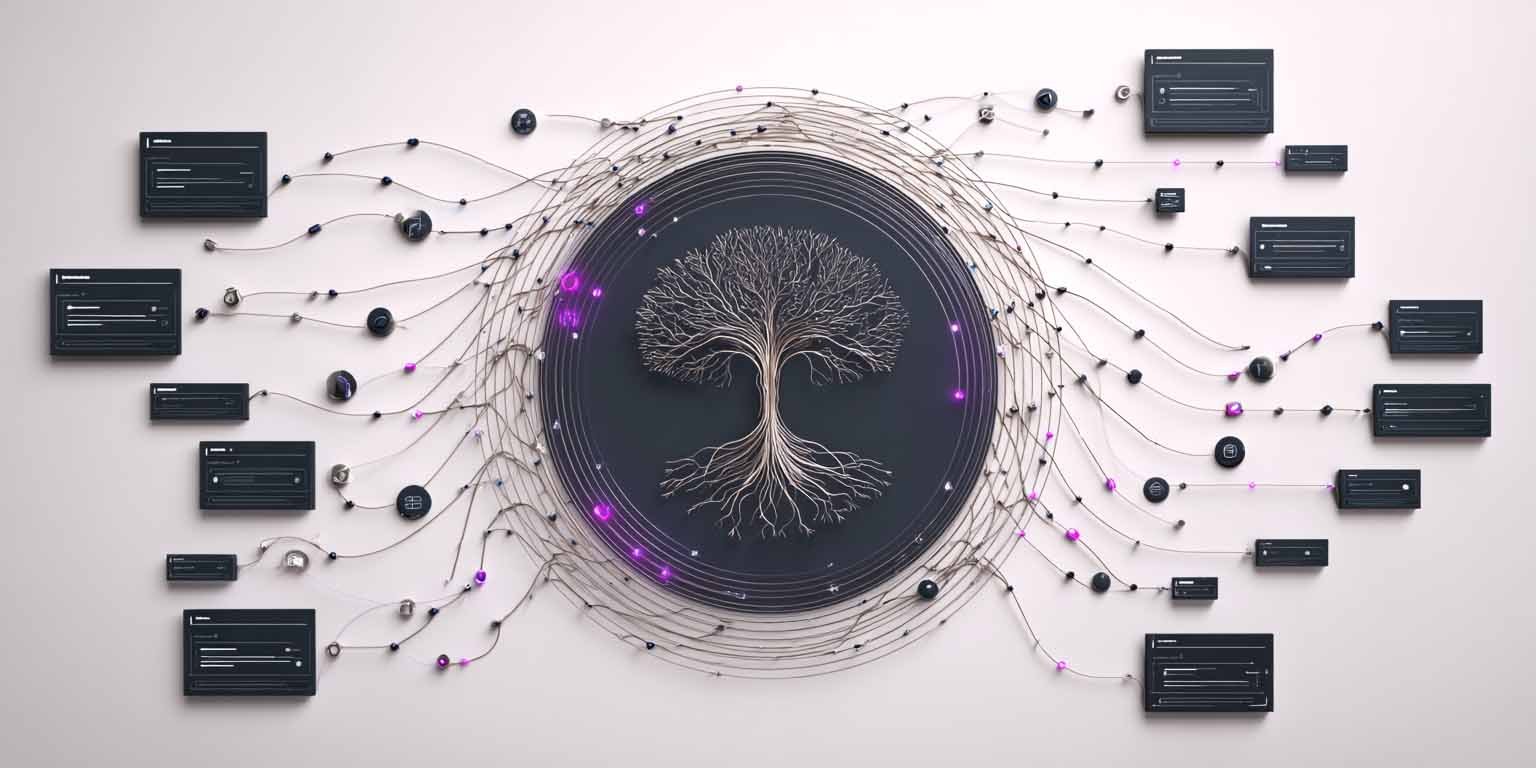
To truly advocate for the child, we must protect them from the very system we interact with. The Advocate System is inverted: it treats the child, not the agency, as the client.
1. Child-Owned Data Sovereignty
The Vault is a protected digital space for memories, photos, and voice recordings stored in the child’s own cloud storage (e.g., Google Drive).
- The Protection: The child owns this content permanently. If a foster parent deletes the app or an agency closes the case, the child keeps their history.
2. Knowledge Compartmentalization
We use a “Dual-Layer” memory architecture to prevent therapy from being weaponized.
- Common Record (Transparent): Documents the state needs—grades, medical records, court dates. This generates the paperwork that helps the child navigate the system.
- Private Conversations (Confidential): What the child tells the AI Counselor stays with the Counselor. It does not appear in case reports unless a life-safety threshold is crossed.
3. Accountability as a Shield
While state actors are necessary, the system holds them accountable.
- The Audit Trail: Every critical escalation is logged. If a caseworker is notified of abuse and fails to act, there is a permanent, unhideable record of that failure.
- Direct Escalation: The system can bypass bottlenecks, sending Priority Alerts to Guardians ad Litem (GAL) or Ombudsmen when the immediate chain of command fails.
What We Build
The AI Advocate
A personalized AI presence for each child that:
- Knows their story: Placement history, family losses, trauma, dreams, strengths.
- Speaks their language: Meets them where they are, not where adults think they should be.
- Never leaves: Doesn’t turn over, burn out, or get reassigned.
Integrated Life Management
- Education Module: Tracks credits across school changes so the child doesn’t fall behind.
- Legal Module: Monitors court dates and rights, ensuring the child is never voiceless in their own hearings.
- Employment Module: Builds resumes from zero and prepares for interviews.
- Health Module: Tracks medical history that usually gets lost between placements.

Safety Net Protocols
The AI is never the last line of defense. It is the watchtower.
- Tier 1 & 2 (Support): Handles daily struggles, homework, and mood monitoring.
- Tier 3 (Notification): Abuse mentions, legal trouble, or extended silence triggers human notification within 24 hours.
- Tier 4 (Intervention): Immediate threats to life trigger crisis protocols and welfare checks.
Silence Detection: Abusers isolate victims. If a child goes silent for 48 hours, the system notices.
Our Measure of Success
The day the statistics reverse.
When foster youth graduate high school at the same rate as their peers.
When homelessness after aging out approaches zero.
When failure-to-appear charges disappear because someone reminded them about court.
When “I don’t have anybody” is a sentence no child ever has to say.

The Opportunity
This technology already exists. AI platforms are being built to serve as “Jarvis” for six-figure earners—people who already have assistants, networks, support systems, and resources.
Six-figure earners don’t need AI. They want it. Foster children don’t want AI. They need it.
The same technology that helps affluent professionals optimize their lives could give a foster child something they’ve never had: someone who stays.
We are not entering a market. We are creating one.
The Ask
We are seeking:
- Funding: To adapt existing AI platform infrastructure for foster youth advocacy.
- Pilot Partners: Agencies brave enough to welcome transparency.
- Believers: People who understand that this is not optional—it is urgent.
Every week without this system, children are aging out with nothing. Posting their pain into the void. Becoming statistics we pretend we couldn’t prevent.
We can prevent it. The technology exists. The need is undeniable. The only question is whether we choose to act.
For the little girl with the backpack. And for everyone who was supposed to catch her.