There is a specific kind of silence that falls when a society decides to look away. It is not a peaceful silence. It is the heavy, suffocating quiet of a room where a child is screaming, and the adults have learned to pretend they do not hear.
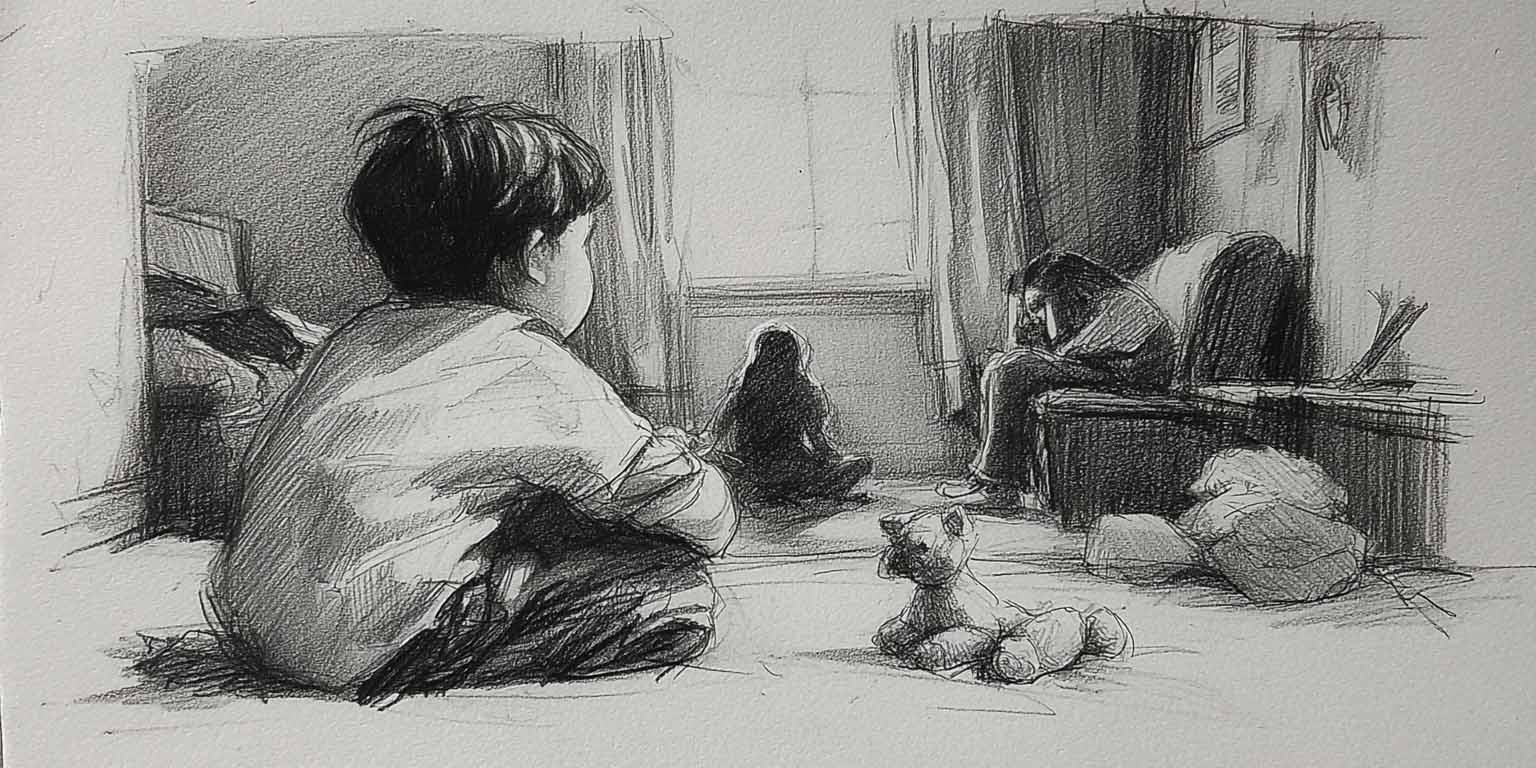
We are witnessing a tragedy that is two-fold. One part is visible: the destruction of a specific girl’s future. The other part is invisible: the erosion of the spirit that allowed us to watch it happen.
The Ghost Life
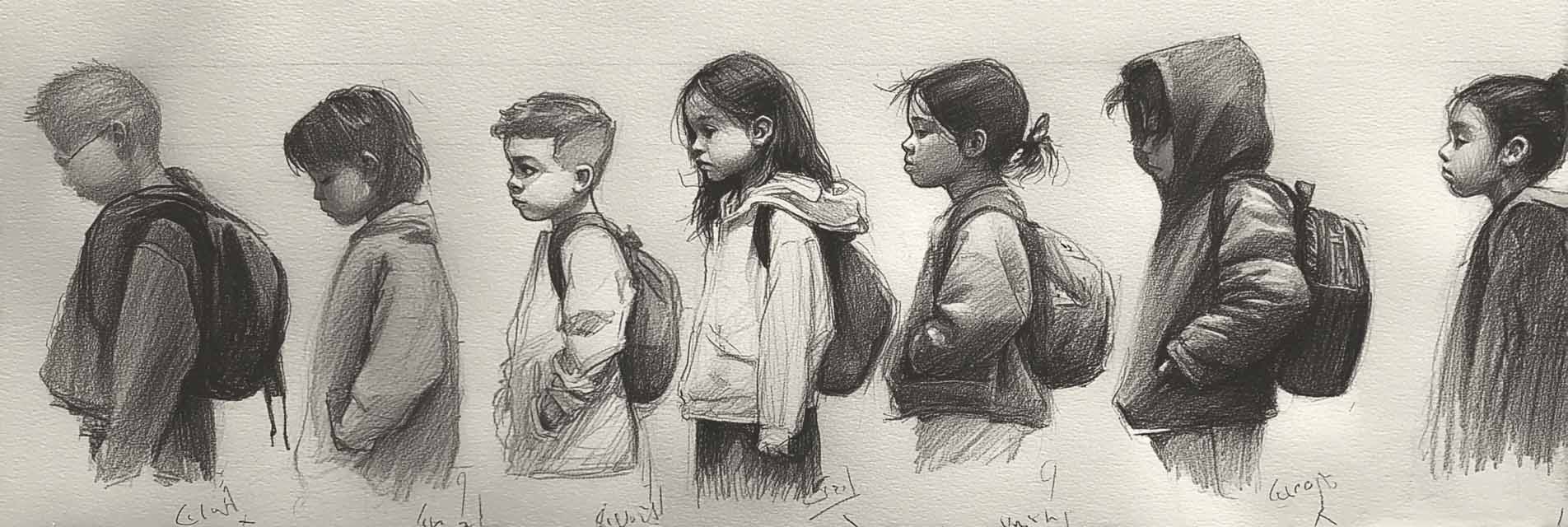
When we look at the trajectory of a child like Daijah—from the seven-year-old with a backpack to the twenty-one-year-old in a mugshot—we are looking at a theft.
We did not just steal her safety. We withheld her self.
Every human being is born with a universe inside them. A unique cadence to their voice, a specific capacity to love, a way of seeing the world that has never existed before. When that potential is starved by neglect and crushed by trauma, it does not simply vanish. It becomes a ghost.
Somewhere, in a timeline that was allowed to wither, there is a version of this woman who is tired from studying for finals, not from surviving the streets. There is a version of her who is nervous about a first date, not a court date. There is a version of her who is passing down love to her own children, rather than passing down the jagged shards of her own abandonment.
That woman—the engineer, the mother, the artist she might have been—was never allowed to be born. She is water under the bridge.
This is the concrete loss. The world is permanently poorer because the music she would have written was never sung, and the light she would have cast was suffocated before it could burn.
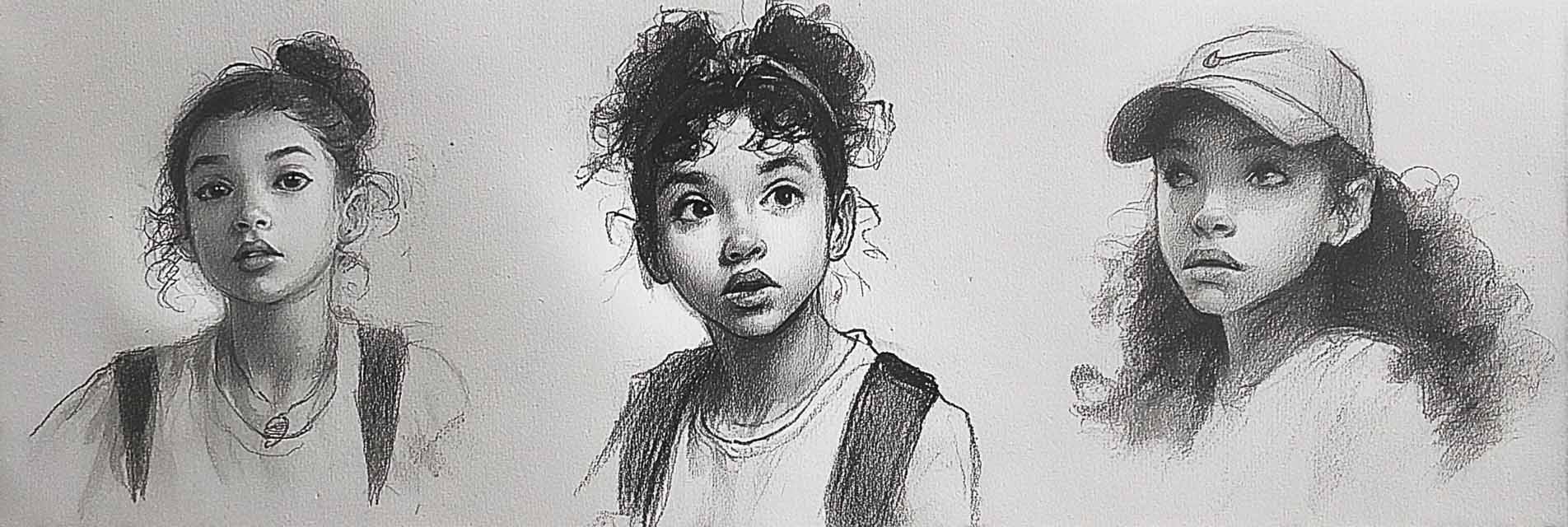
The Impossible
We must be clear about the nature of this silence. It is rarely born of malice. It is born of an impossible arithmetic.
The system is not filled with villains; it is filled with human beings who are drowning.
We are asking mortals to be infinite. We ask them to be the “consistent, loving presence” for dozens of children who are all in crisis at the same moment. They are merely human beings standing at the base of a breaking dam, running out of fingers to plug the holes.
The tragedy is that the people want to listen. They want to sit with the child. But the sheer volume of the need forces them to triage the human soul.
The silence that falls over Daijah’s life is not because her caseworker didn’t care. It is because her caseworker was buried.
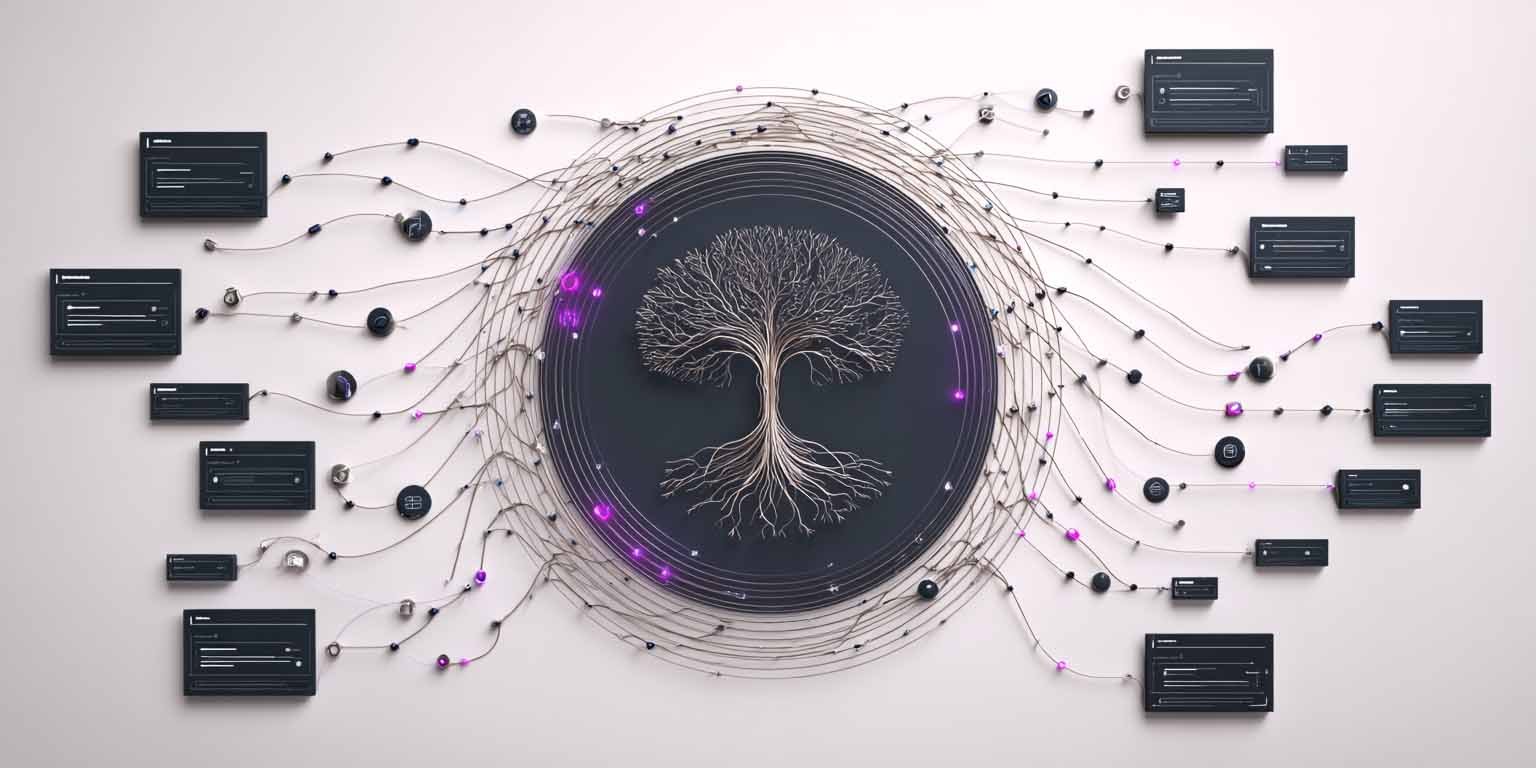
We cannot solve this with finite human resources. We need a way to be present that scales with the needs of the individual children.
The Severing
But if her loss is the unlived life, our loss is the hardened heart.
To watch a child drown in plain sight and do nothing requires a terrible kind of discipline. We have to train ourselves to go cold. We have to learn the art of abstraction—turning a grieving girl with a name and a face into a “case number,” a “statistic,” a “poor outcome.”
We tell ourselves this numbness is necessary. We tell ourselves it is armor against the heartbreak of a broken world.
But you cannot selectively numb the soul.
When we practice the art of not feeling her pain, we sever the nerve that connects us to our own humanity. We become efficient. We become functional. But we become hollow. The numbness we cultivate to survive her suffering becomes the numbness we bring to our own lives—to our families, to our joys, to our deepest selves.
By refusing to witness her, we dim something essential within ourselves. We become a people capable of hearing a cry for help and feeling nothing but the urge to scroll past.
This is the hidden cost—not measured in dollars or outcomes, but in the slow erosion of our capacity to feel, to connect, to remain fully alive. Her suffering and our numbness are not separate tragedies. They are two sides of the same wound.
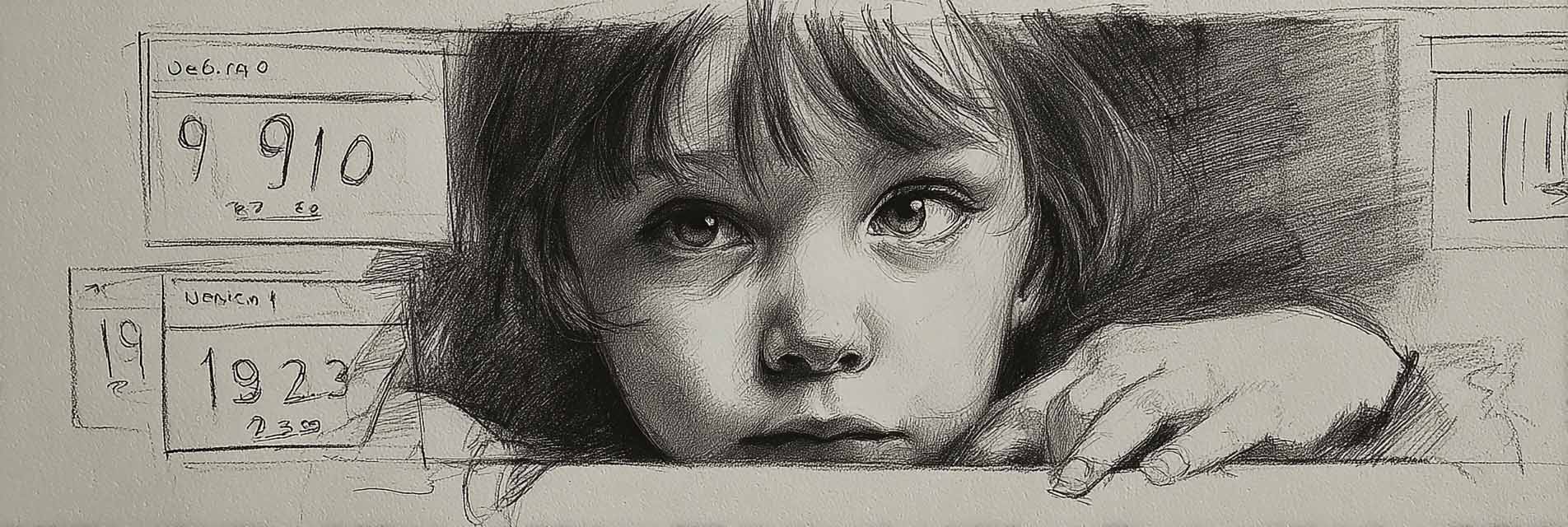
The Sacred Witness
The crisis, then, is not just that she is alone. It is that we are separated.
When a child cries out and no one answers, two things break: her trust in the world, and our connection to our own wholeness. We were made for something other than this. We were made to hear each other, to witness each other, to carry each other’s stories when the weight becomes too much to bear alone.
The systems we build to answer that call—the technologies that refuse to look away, that refuse to forget, that refuse to let a life slip through the cracks—these are not merely tools for case management. They are attempts to heal the separation. They are answers to the question that every suffering child asks, the question that echoes from the foster home to the jail cell:
Is anyone there?
When we answer—when we build systems that witness, when we create presence where there was absence—we are not just saving a child. We are retrieving ourselves.
We are declaring that her life matters, not because of what she might produce for the economy, but because she breathes. We are declaring that her story is worth remembering, simply because it is hers. We are refusing the bargain that says we must go numb to survive.
In witnessing her, we make her real. And in witnessing her, we stay human.
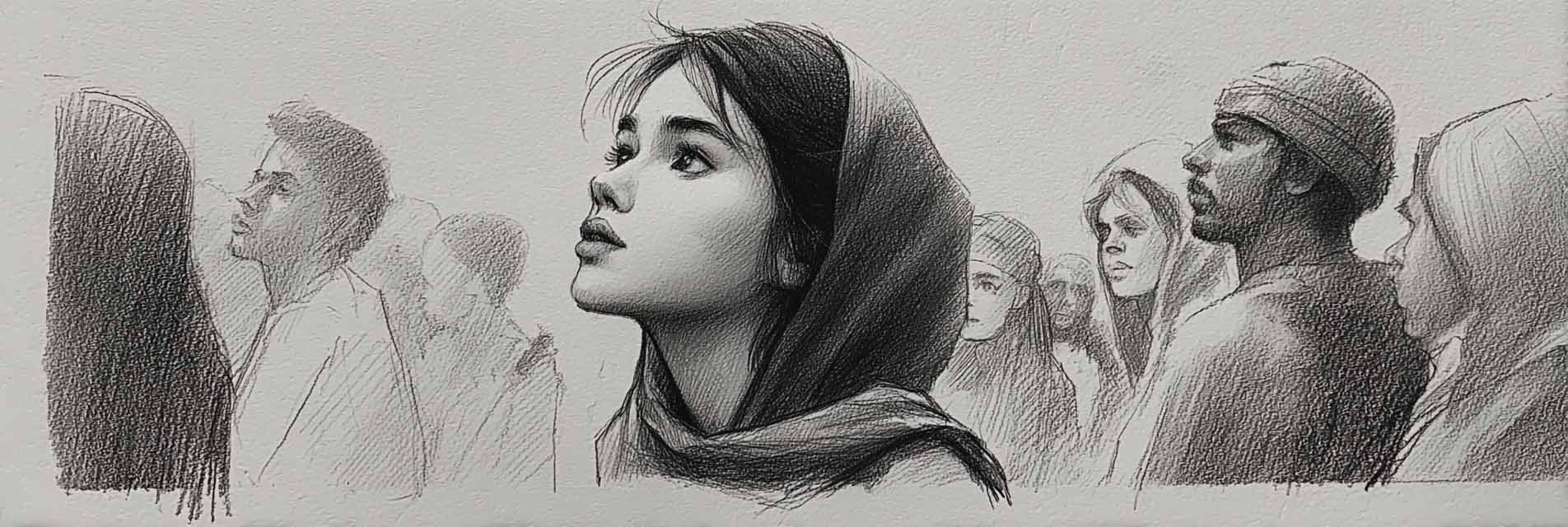
The Choice
The water may be under the bridge for the years that have passed, but the river is still flowing.
Right now, another seven-year-old is standing in a hallway with a trash bag of clothes, waiting to see if she will be seen or erased. She is the ghost of the future, waiting to be born.
We cannot give back the years that were stolen from the past. But we can decide, right now, that we will no longer be the kind of people who let the silence win. We can decide to be the witness that stays.
The call is still sounding. A child is still asking if anyone is there.
The only question left is who we will be when we hear it.
For her sake. And for ours.